

Search for Questions
Commercial trench drains improve site safety by collecting and directing water away from walking and driving surfaces. This helps reduce slip-and-fall hazards, minimize hydroplaning, and prevent standing water that can damage concrete and asphalt.
Commonly used in parking lots, warehouses, loading docks, manufacturing facilities, and other high-traffic areas, trench drains help manage stormwater and wash-down water before it becomes a safety concern. Choosing the right drain system and grate for your application also helps ensure proper drainage, long-term durability, and compliance with local building codes.
Trench Drain Systems accepts payment via major credit cards, ACH transfers, wire transfers, checks, and money orders. Financing options are also available. All transactions must be completed in US dollars. Payment terms, conditions, and applicable fees vary by method. For more information, click here.
Catch basins are often connected to downspouts to help manage roof runoff on homes. Instead of water pooling near the house foundation, a well-designed catch basin system collects and redirects it away from your house through a series of underground piping.
The setup helps reduce erosion and prevents water from accumulating around the foundation, especially during heavy storm events common throughout.
Drainage systems help protect driveways and garages in Indianapolis by directing water away from entrances and surfaces
where it can pool or seep inside. Without proper drainage, water can cause cracking, erosion or interior flooding.
Installing trench drains or catch basins in key areas help manage runoff and keep structures protected during heavy rain
events and seasonal weather changes.
Trench drains are often installed around pools and patios in Indianapolis to remove water from surfaces that can become slippery or cause damage.
They also help control runoff from rain and splashed water, which can dilute pool chemicals like chlorine and affect the water balance.
Proper drainage reduces erosion, improves safety, and helps maintain both surface and pool conditions over time.
Regular drain inspections help identify buildup, blockages or damage before they become serious problems. Changing weather conditions can put extra stress on drainage systems throughout the year.
Checking trench drains and catch basins periodically helps maintain proper water flow, reduces the risk of flooding, and extends the life of the overall system.
Cleaning catch basin and trench drains typically involves tools like shovels, scoops, buckets and water hoses. There is nothing wrong with using your hands but use rubber gloves to protect yourself from sharp objects.
For deeper cleaning, a shop vac or industrial vacuum can help remove fine sediments and debris. A hose or power washer can also be helpful to push water and the remaining buildup toward a low point for removal.
Using the right tools helps maintain proper flow and system performance.
Common signs a catch basin needs
cleaning include:
a) Standing water
b) Slow drainage
c) Foul odors
d) Or visible debris around the grate.
Seasonal leaves and storm runoff can quickly lead to buildup. If Debris is not removed, freeze-thaw cycles can cause blockages as material compacts and hardens.
Catching these warning signs early help prevent flooding and keeps your drainage system working effectively.
Heavy rain can overwhelm drainage systems when debris, sediment or undersized drains restrict water flow. This often leads to flooding yards, driveways or parking areas.
Preventing this starts with keeping drains and catch basins clean, ensuring proper grading and using systems designed to handle higher water volumes common during the storms
A catch basin is a drainage structure designed to collect and filter runoff water before it enters a piping system.
There are two parts of a catch basin. They include;
A) The top grate where stormwater enters
B) And the underlying box structure, or basin, which include a sump area that traps debris such as sediment and leaves.
The sump portion in the basin “catches” the debris and cleans the water that enters the piping system.
Catch basins are commonly used in driveways, roadways, parking lots and downspouts to help manage water flow and reduce flooding risks.
Homeowners often deal with standing water, clogged drains and poor yard grading. These issues can lead to foundation damage and erosion if not addressed.
Simple fixes include clearing debris, improving slope and installing drainage systems like trench drains or catch basins. Regular inspection and maintenance are key to preventing long-term problems.
Slot drains and trench drains both manage surface water, but maintenance can differ. Slot drains have narrow openings that reduce debris entry.
Access ports are installed as part of the slot drain design from where maintenance can occur.
Trench drains generally have removeable grates which allows better access for maintenance. The right choice depends on your application, maintenance schedule and
how much debris your drainage system is likely to handle.
Choosing the right trench drain size depends on the amount of water runoff and the type of traffic the drainage system will handle. Residential trench drains typically use smaller channels for driveways, patios, and garages, while commercial and industrial applications often require larger trench drain systems with higher load ratings for heavy vehicle traffic and increased stormwater flow.
Proper trench drain sizing includes selecting the correct channel width, depth, and grate load classification for your application. A well-designed drainage system helps prevent overflow, improves water management, and supports long-term trench drain performance with reduced maintenance needs.
To unclog a catch basin, begin by removing surface debris such as leaves, dirt, sticks, and sediment from around the drain area. Carefully lift the catch basin grate to access the interior of the drainage system. Many catch basin systems include removable debris baskets, strainers, or filters that can be taken out and cleaned separately to improve water flow and prevent blockages.
After removing visible debris, use a shovel, scoop, or wet vacuum to clear accumulated sediment, sludge, and buildup from the bottom of the catch basin. Once cleaned, flush the drainage system with water to test the flow and identify any remaining drainage issues. When cleaning a clogged catch basin, avoid forcing debris deeper into the drainage pipe, as this can create more severe blockages and costly drainage repairs.
Regular catch basin maintenance is essential for preventing drainage backups, standing water, flooding, and stormwater system failures. Routine cleaning helps keep residential and commercial drainage systems functioning properly, improves water management, and extends the lifespan of underground drainage infrastructure. Seasonal inspections and preventative maintenance are especially important in areas with heavy rainfall, falling leaves, or frequent stormwater runoff.
The best trench drain for a driveway should be designed to handle heavy rainfall, withstand harsh freeze-thaw cycles, and support the weight of passenger vehicles, trucks, and service vehicles. Choosing the right driveway trench drain system is essential for preventing standing water, reducing erosion, and protecting concrete or asphalt surfaces from long-term water damage.
Popular trench drain channel materials for residential and commercial driveways include polymer concrete trench drains and reinforced plastic drainage channels. These materials are widely used because they offer excellent durability, corrosion resistance, crack resistance, and long-term performance in changing weather conditions. In climates where freezing temperatures and seasonal storms are common, durable drainage materials help maintain reliable water flow year-round.
Selecting the correct trench drain grate is equally important. Driveway drain grates should have an appropriate load rating capable of supporting the weight of cars, pickup trucks, SUVs, trailers, and commercial service vehicles that may regularly use the driveway. Heavy-duty trench drain grates help improve safety, prevent structural failure, and maintain effective drainage performance under continuous traffic.
For the best long-term results, always follow the manufacturer’s trench drain installation guidelines, including proper slope, channel alignment, and base preparation. Correct installation plays a major role in trench drain efficiency, durability, and overall drainage system lifespan.
Catch basins should be cleaned at least twice a year to maintain optimal stormwater drainage performance. High-traffic commercial properties — such as parking lots, loading docks, and industrial sites — may require more frequent catch basin maintenance, especially after heavy rain events.
Debris including sediment, trash, grease, and organic matter such as leaves and twigs accumulates quickly inside catch basins, clogging outlet pipes and causing backflow that reduces drainage efficiency and increases flood risk.
In the Midwest, seasonal conditions make regular inspections especially critical. Freeze-thaw cycles in winter, spring snowmelt, and fall leaf drop are all common causes of catch basin blockages. Proactive maintenance helps prevent flooding, costly repairs, and stormwater compliance issues.
Recommended Catch Basin Cleaning Schedule:
- Twice per year minimum (spring and fall)
- After major storm events
- Quarterly for high-traffic commercial or industrial sites
- Annually at minimum for low-traffic residential applications
Cleaning a trench drain is an important part of maintaining proper outdoor drainage and preventing water buildup around your home or property. To clean a trench drain, start by removing the drain grate and clearing away visible debris such as leaves, dirt, mud, sediment, and small rocks. Once the surface debris is removed, rinse the trench drain channel thoroughly with water to flush out remaining buildup and inspect the sides of the channel for any trapped debris or signs of blockage.
When performing trench drain maintenance, avoid using harsh metal tools or abrasive equipment that could damage the drain channel surface or protective coating. Regular trench drain cleaning helps improve water flow, reduces the risk of standing water, and extends the lifespan of your drainage system.
Scheduling seasonal trench drain cleanings during the spring and fall is highly recommended. Seasonal maintenance helps prevent clogged trench drains caused by leaves, heavy rain, snowmelt, and sediment buildup, ensuring efficient drainage and reliable water management throughout the year.
A trench drain is the best choice when you need to quickly collect and redirect surface water over a wide area. It’s designed for situations where water spreads out instead of flowing to a single low point.
Use a Trench Drain When:
Water flows across flat surfaces like driveways, patios, or garage entrances
You need to prevent pooling or flooding in high-traffic areas
There’s heavy or fast runoff from rain, snowmelt, or washing down surfaces
You want a clean, linear drainage solution along edges (e.g., sidewalks or building perimeters)
Common Applications:
Residential driveways and garage doors
Patios, pool decks, and walkways
Commercial spaces like parking lots and loading docks
Pro Tip: Choose a trench drain instead of a catch basin when water doesn’t naturally collect in one spot—trench drains capture and channel water along its entire length for more efficient drainage.
The right catch basin size depends on how much water runoff your drainage system needs to handle. Choosing the correct size helps prevent flooding, pooling, and drainage failure.
General Catch Basin Size Guidelines:
9–12 inch catch basin: Best for small residential drainage, like roof downspouts, patios, or walkways
12–18 inch catch basin: Ideal for driveways, small yards, and moderate stormwater runoff
18 inches or larger: Recommended for large yards, heavy rainfall areas, or commercial drainage systems
Pro Tip: When in doubt, choose a slightly larger catch basin. An undersized basin can overflow, while a larger one improves water flow and debris collection.
If you are located in Southeast Michigan or Northern Ohio feel free to stop by our location to pick up what you need for your drainage projects. We are located two miles from Exit 91 off of the 80/90 turnpike.
We are open Monday – Friday and accept walk-ins from 8-4pm.
Call 610-882-3630
A French drain is a gravel-filled trench containing a perforated pipe designed to collect excess subsurface water and redirect it away from foundations, basements, or waterlogged areas. This effective drainage solution improves soil drainage, reduces hydrostatic pressure, and helps prevent flooding, foundation damage, and landscape erosion.
Trench drain systems are typically installed by professional contractors specializing in drainage, concrete, or landscaping work. This includes civil contractors, general contractors, plumbers (for smaller systems), and site development professionals. For residential projects, experienced landscape or hardscape contractors often handle installation, while commercial and industrial systems usually require licensed construction or civil teams to ensure proper grading, load capacity, and code compliance. On occasion, some pool building companies will also install trench drains, especially around decks and poolside areas where water management is critical.
Visit our Installer Map to find known installers near you.
es, especially in areas with trees, heavy vegetation, or seasonal leaf fall. Catch basins are designed to collect heavy debris, surface water, and organic matter while preventing sediment, silt, and solids from entering the main drainage pipe — protecting your system from costly clogs and backups.
Key benefits of catch basins in tree-lined or vegetated areas:
- Debris interception — captures leaves, twigs, and organic material before they reach underground pipes
- Sediment control — traps silt and fine particles that cause pipe buildup over time
- Surface water management — quickly collects stormwater runoff from driveways, yards, and hardscapes
- System protection — extends the life of your main drainage line by reducing blockage risk
- Easy maintenance — catch basin sumps can be cleaned out without excavating the main pipe
While spring and fall are traditionally ideal seasons for landscaping and drainage projects, winter can also be an excellent time for installation. With dormant grass and minimal turf growth, you can complete excavation and drainage work without damaging actively growing lawns, preserving landscape health while improving soil drainage and water management. Learn More
Areas with poor soil quality—such as low-grade soil, low-lying spots, high water tables, or dense clay soil—can significantly limit water infiltration and drainage. These conditions often lead to standing water, reduced soil permeability, and increased risk of flooding, making proper soil management and drainage solutions essential for maintaining healthy landscapes and preventing water damage
Use solid, non-perforated drainage pipes to efficiently direct water away from your home’s foundation, preventing leaks, erosion, and structural damage. Connect your gutter system to the drainage network with downspout adapters to ensure proper water flow, improve stormwater management, and protect your foundation from excess moisture buildup.
Load Rating is measured on the drain system’s compression resistance – how much weight a drain can withstand without structural damage. These are based on DIN 19580 international guidelines, which separate drainage applications into six categories:
Load Class A
3,372 lbs per foot (15 kN)
Light Traffic, Residential Use, Gardens, Patios, Landscapes, Pedestrian Areas, Bicycles, Carts, Pools
Load Class B
28,100 lbs per foot (125 kN)
Domestic Cars and Light Trucks, Small Planes, Light Traffic Parking Lots, Driveways, Sidewalks, Parks and Recreation
Load Class C
56,200 lbs per foot (250 kN)
Forklifts/Pneumatic Tires, Medium Sized Vehicles, Commercial Parking Lots
Load Class D
89,920 lbs per foot (400 kN)
Commercial Airliners, Parking Lots, Warehouses, Main Roads
Load Class E
134,800 lbs per foot (600 kN)
Industrial Areas, Construction Equipment/Vehicles, Loading Docks, Heavy Aircraft, Airports, Cargo Handling Yards
Load Class F
202,320 lbs per foot (900 kN)
Highway Traffic, Roads, Airports, Terminals, Docks, Extreme Weight Conditions
No, you don’t always need sloped trench drain channels. Many modern trench drain systems are designed with smooth interiors and radiused bottoms, allowing them to efficiently move surface water even without built-in slope.
When You Don’t Need Sloped Channels:
Areas with consistent or heavy water flow (rainfall, washdown zones)
Installations where the ground already has a natural slope
Projects using neutral (non-sloped) trench drain channels with proper outlet placement
When Sloped Channels Are Beneficial:
Low-flow or intermittent water conditions, where added slope helps move water toward the outlet
Flat surfaces that lack natural drainage pitch
Situations where you want to improve drainage speed and reduce standing water
Key Insight:
Many linear drainage systems offer both sloped and neutral trench drain channels in different depths. If your project doesn’t require built-in slope, be sure to specify non-sloped (neutral) channels when ordering.
Pro Tip: Even though sloped channels can improve flow, a properly designed trench drain system with correct outlet placement can perform just as well without them in most residential and commercial applications.
Trench Drain Systems is proud to offer project consultations for all interested contractors, architects, and engineers. Our technical specialists are trained in chemical resistance, load rating, and flow rates for NDS trench drain, Polycast trench drain, Popular metric trench drain systems, MEA-Josam, ABT Trench Drain, Zurn trench drain, and more.
Please call a Trench Drain Systems technical specialist at 610-638-1221.
Trench Drain Systems requires all customers purchasing pre-sloped trench drain systems to sign off on a project layout. This ensures that outlet depth is correct, preventing costly errors and allowing us to ship your order more efficiently.

We have a variety of package and freight carriers we work with. The size of your order will dictate which carrier we use. We pack your order in the best manner to assure safe delivery to your job site.
Whether it’s boxes or pallets, our experienced staff is ready to pack and handle shipping for your order.
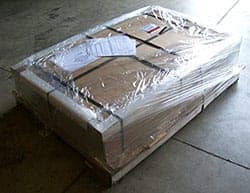
All in-stock orders require 2-3 business days for processing. Items that are not in stock, or require drop-shipment from a supplier, may incur further processing time. Delivery times will vary based on the size of the order and the distance from our warehouse to your job site.
If the grate is not already in stock, Baked on Oil Finish (BoOF) grates may take 2-3 weeks to ship due to the time needed for the BoOF process.
Click here for more information about our shipping times.
Be sure it is noted that there is damage when you sign for the shipment. Without this notation, we have very little recourse with the carrier.
Trench Drain Systems is not responsible for damage occurring during delivery. However, we are happy to assist our customers with freight claims. Click here for more information regarding our shipping policy.
Trench Drain Systems charges a 25% restocking fee on all returned orders. Systems that are manufactured to specification or considered to be custom, as well as closeout items, cannot be returned and are not eligible for a refund.
Polyester resin polymer concrete is able to safely handle temperatures up to 150 degrees Fahrenheit without structural damage. For applications with higher temperatures, Polycast manufactures special vinyl ester polymer concrete channels that withstand greater heat.
We’re often asked what the best material is for pool grates for a ‘cooler’ option for bare feet. There isn’t a definitive answer to this because every material reacts differently to sunlight. Other factors include time of day, regional climate, indirect vs. direct sunlight and heat absorbed from other nearby surfaces such as mulch or concrete. That said, plastic surfaces can reach temperatures well above 100 degrees Fahrenheit or 38 degrees Celsius.
Polycast 600 Series, Polycast 500 Series, and Polycast 900 Series utilize a 6.25″ (OD) polymer concrete channel. With a 4″ interior channel width, these drain systems have thicker walls than the competition and use the same 5.25″ wide trench drain grates.
The Polycast 400 Series, Polycast 800 MAXI, and the low profile Polycast 500 Series are non-sloped drainage systems.
Polycast 600/700 Series and 900 Series have a built-in .65% slope. These Polycast systems also offer neutral channels to extend the length of the run.
Frames reinforce a trench drain’s channel body, protecting the polymer concrete from exposure that stresses the drainage system. With a frame, Polycast polymer concrete trench drain systems can handle heavier loads, earning them a higher load rating. Polycast fiberglass channels incorporate integral frames, which increase durability over competitive brands such as, MEA-Josam, and Zurn trench drain.
Many of NDS’s channel drain systems offer decorative grates. The NDS Mini Channel and Spee-D Channel systems provide decorative plastic grates as well as decorative cast-iron grates. The NDS Dura Slope system offers decorative iron grates and perforated stainless steel grates.
Because NDS grates rest inside the lip of the channel, there is an edge line where the channel is visible. New decorative plastic grates for the Mini Channel and Spee-D Channel eliminate the edge line, which lends the drain systems more decorative appeal.
NDS Dura Slope and Pro-Series channel drains can withstand load traffic on driveways with proper grating. The NDS Spee-D Channel can be installed in low-traffic driveways if it is recessed 1/4″ in the concrete.
The Micro Channel and Mini Channel systems are not rated for vehicle traffic.
Because they do not feature tongue-and-groove connection mechanisms, the Mini Channel and Spee-D Channel by NDS use a plastic coupler to connect channels together.
These couplers are conveniently designed to fit even if you need to cut the drain channel.